
Have You Ever Wondered Why You Spend the Way You Do?
Picture this: you walk into a store with the intention of just browsing, but before you know it, your arms are full of shiny new items. Ever ask yourself, “Why did I buy that?” or “Was that really a smart move?” If these questions sound familiar, you’re not alone! Many of us have moments where our financial decisions seem to come out of nowhere. But what if we told you that the real reasons might be hidden deep within your mind?
Meet Your Subconscious Mind
Your subconscious mind is like a huge, mysterious library filled with every thought, belief, and experience you’ve ever had. It operates in the background, guiding your actions and reactions without you even realizing it. Think of it as the silent partner in your money decisions, shaping how you feel about spending, saving, and even earning. So, when you splurge on those new shoes or hesitate to invest in something that could grow your wealth, it might not just be a matter of willpower; it could be the programming you’ve received over the years.
Let’s Dive Deeper!
In this article, we are going to explore how your subconscious beliefs about money were formed and how these beliefs can either help you or hold you back from achieving your financial dreams. By understanding these hidden patterns, you can start to make more mindful decisions about your money and unlock the potential for wealth that you may not have realized was there all along!
Are you ready to uncover the secrets of your subconscious programming and take control of your financial future? Buckle up, because we’re about to embark on a journey to transform your relationship with money forever!
What is Subconscious Programming?
Subconscious programming is like a finely tuned operating system running behind the scenes of your brain, dictating your thoughts, feelings, and reactions without your conscious awareness. Much like a set of rules or guidelines, it is built from every experience, conversation, and observation you’ve had throughout your life. From the moment you were born, your brain has been absorbing information like a sponge, categorizing it into patterns that can influence your decisions—especially when it comes to money.
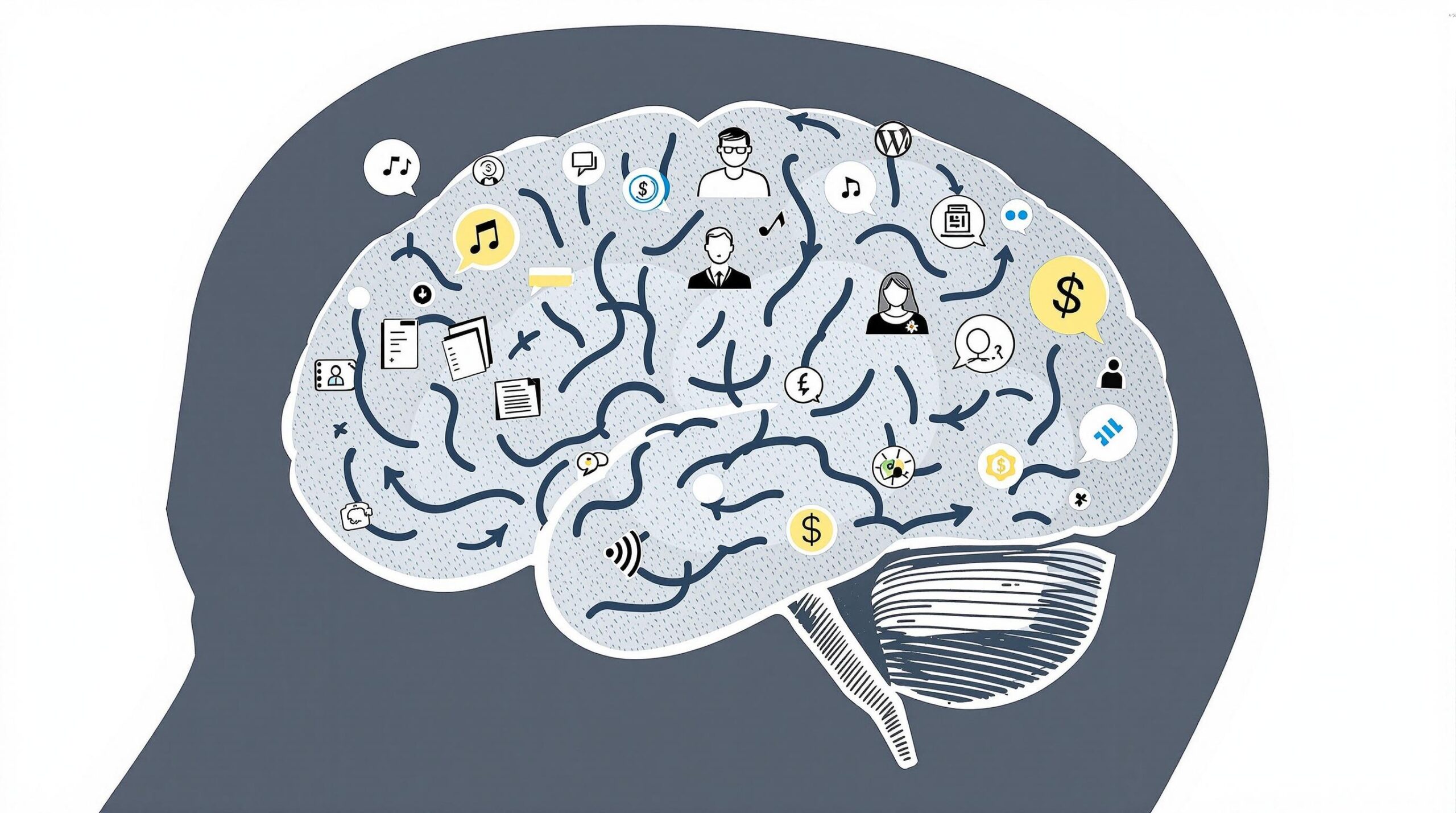
Imagine your mind as an intricate web of interconnected experiences; each strand represents a belief or rule about money, formed through personal experiences, societal norms, and even family dynamics. These strands work together to create a tapestry that informs how you interpret financial situations and make money-related choices.
The Building Blocks of Your Subconscious Mind
To understand the depths of subconscious programming, it’s useful to break it down into its core elements. Below is a table that highlights different aspects that contribute to this phenomenon:
| Aspect | Description |
|---|---|
| Experiences | All the financial situations you’ve encountered, from childhood allowance to adult salaries and debts. |
| Beliefs | Your inner convictions about money, whether it’s scarcity, abundance, or deserving rewards. |
| Environment | Influences from family, friends, and societal standards regarding how to handle financial matters. |
| Media Influences | Messages from advertising and social media that shape your perceptions surrounding wealth and consumption. |
| Cultural Norms | Unspoken rules that dictate acceptable financial behaviors within your cultural context. |
The magic—or sometimes the mischief—comes in when these subconscious beliefs manifest in your everyday money decisions. For example, if you grew up in a household where money was often tight, you might harbor a scarcity mindset. This could lead you to resist making investments or saving for the future, even when you have the means to do so comfortably. On the flip side, if you were raised in a more affluent environment, you might unconsciously embrace spending without considering the consequences, leading to potential financial pitfalls.
Recognizing these patterns is the first step in rewriting your money narrative. By becoming aware of the rules that guide your financial choices, you can start dismantling the beliefs that no longer serve you. Instead, you can program your mind with empowering messages that can lead to smarter spending and saving habits.
So, as we move forward in our exploration of how these subconscious beliefs affect your financial decisions, prepare to confront the stories that your mind tells you. By understanding these underlying influences, you’ll be one step closer to making choices that align with your true financial goals and aspirations.
Recognizing and Changing Your Programming
The good news is you can change how you think about money! Start by paying attention to the patterns in your financial behavior, habits that may seem second nature but are deeply rooted in your subconscious programming. Ask yourself: Do you save money because your parents instilled in you the importance of financial security, or do you splurge because you’ve been taught that ‘money is meant for fun’? Moments of reflection like these can unveil the subconscious scripts that guide your financial decisions.
One effective way to begin the recognition process is through journaling. Take time each week to write about your financial choices, no matter how mundane they may seem. Record what you spend, what you save, and the thoughts that accompany these actions. You might discover recurring themes or triggers: Perhaps you buy yourself treats after a stressful work week or hesitate to invest because you recall a childhood story of financial struggles. These insights are valuable; they can reveal the narratives you’ve internalized over the years.
In addition to journaling, consider engaging in mindfulness practices like meditation or deep-breathing exercises focused on abundance and financial well-being. These practices encourage you to observe your thoughts without judgment, allowing you to become more aware of the subconscious beliefs that surface. Mindfulness opens the door to a deeper connection with your feelings about money, helping you discern when fear, anxiety, or unworthiness dictates your choices.
Once you’ve recognized the beliefs that govern your money habits, the next step is implementing change. Take the belief that money is scarce, for instance. If this is a narrative that runs through your mind, challenge it. Actively seek out evidence of abundance in your life—be it in nature, relationships, or unexpected financial gains. Make intentional choices that contradict your scarcity mindset; perhaps buy a small luxury item that brings you joy or invest in yourself through education. Each action reaffirms a new belief: that money is not only sufficient but is also a tool for enriching your life.
Another powerful method is visualization. Picture your financial success vividly. What does a day in your financially empowered life look like? Where are you? Who are you with? How do you feel? Visualization serves to replace limiting narratives with ones of abundance and prosperity. The more frequently you engage in this practice, the more you’ll reprogram your subconscious to align with your financial aspirations.
Changing your financial narrative is not an overnight process; it’s a journey that requires patience, introspection, and perseverance. Celebrate small victories along the way, and don’t hesitate to seek support, whether through financial coaching or engaging in discussions with friends and family about money. The more you expose yourself to different philosophies about wealth, the more options your brain has to integrate new beliefs.
Before you know it, what once felt ingrained in your psyche can shift into a more constructive mindset. From understanding the deep-seated narratives that influence your financial habits to challenging and reshaping them, every step brings you closer to fostering a healthier relationship with money—one that empowers rather than confines. Embrace the journey; your wallet—and your peace of mind—will thank you.
Practical Steps to Reprogram Your Subconscious
As you embark on the transformative journey of changing your financial programming, it’s essential to take practical steps that integrate seamlessly into your daily life. Begin with small, manageable actions that pave the way for lasting change. One effective method is to keep a dedicated diary of your thoughts about money. This journal is your personal safe space, allowing you to explore and document your beliefs, fears, and aspirations related to finances. Each entry is a step toward crystallizing your understanding of your money mindset, helping you identify areas where change is necessary.
For example, you might start your entries by writing down specific financial experiences from your past. Reflect on how these moments shaped your current relationship with money. Did a particular incident instill fear or confidence? Over time, track how your feelings evolve as you implement new beliefs and practices. A diary not only fosters self-awareness but also acts as a motivational tool, allowing you to look back at your growth and recognize the shifts in your mindset.
Another strategy to bolster your money mindset is through affirmations. These powerful statements can redirect your subconscious beliefs and help cultivate a more positive relationship with wealth. Start incorporating affirmations into your daily routine; say them out loud while looking in the mirror or write them down in your journal. Statements like, “I can save money easily,” or “I attract abundance effortlessly,” will begin to replace limiting thoughts and create a sense of empowerment. The key is to ensure your affirmations resonate with you personally; customize them to reflect your goals and desires. The more you engage with these positive affirmations, the more they will resonate in your subconscious.
Additionally, consider surrounding yourself with positive influences that reinforce your new mindset. This could include reading books on financial literacy, listening to podcasts featuring inspiring financial stories, or participating in workshops focused on personal finance. Engaging with diverse perspectives expands your understanding, giving your brain fresh narratives to consider. Surrounding yourself with like-minded individuals can also provide accountability and support as you navigate through your journey of reprogramming.
Furthermore, practice gratitude for the money and resources you do have, regardless of your current financial situation. Take a moment each day to acknowledge both the tangible and intangible assets in your life. This practice shifts your focus away from scarcity and towards appreciation, reinforcing a more abundant mindset. Gratitude not only enhances your emotional well-being but also attracts more opportunities for prosperity into your life, aligning your subconscious with welcoming abundance.
Incorporating practical steps such as journaling, affirmations, positive influences, and gratitude into your routine is essential for effectively reprogramming your subconscious. Each action taken is a stride towards altering your financial mindset, encouraging you to confront limiting beliefs and embrace a wealthier perspective. Remember, the road to change is paved with patience and intentionality. Celebrate your progress, no matter how small, and stay committed to the mindset transformation that lies ahead. You are actively shaping a financial future that reflects empowerment, abundance, and possibility.
Building Your Foundation for Change
To successfully reprogram your subconscious regarding money, it’s crucial to understand that these practical steps are interconnected, creating a supportive foundation for long-term change. Below, you’ll find a straightforward table summarizing key actions to take, accompanied by their intended benefits. This visual guide will serve as a constant reminder of your commitment to developing a healthier financial mindset.
| Action | Description | Benefits |
|---|---|---|
| Keep a Money Diary | Document your thoughts and experiences related to money. | Enhances self-awareness, identifies limiting beliefs. |
| Daily Affirmations | Repeat positive money statements to yourself. | Replaces negative beliefs with empowering thoughts. |
| Surround Yourself with Positivity | Engage with literature, podcasts, and communities focused on financial growth. | Builds a supportive network and provides new insights. |
| Practice Gratitude | Acknowledge the financial resources you currently possess. | Shifts focus from scarcity to abundance, attracting more positivity. |
Each component plays a vital role in your quest for a better relationship with money. For example, the practice of journaling not only deepens your understanding but also allows you to recognize patterns. Are there recurring themes or emotions tied to your financial experiences? This ongoing evaluation is instrumental in cultivating a more nuanced perspective, making it easier to confront and overcome blockages.
Integrating affirmations into your morning ritual can set a positive tone for the day. As you recite phrases like “I am capable of achieving financial independence,” visualize the steps needed to get there. Imagine your future self; this vivid mental picture will amplify your determination and make the concepts of your affirmations feel attainable and real.
Engaging with a community focusing on finance enhances your initiative to learn and grow. Finding individuals who share your goals keeps you accountable. Consider joining online forums or local workshops; the collective knowledge often presents practical solutions to common financial issues you might face. You’re not just reprogramming your subconscious; you’re joining a community of like-minded individuals on a similar path.
The final element, gratitude, cannot be overstated. This practice is akin to a magnet for positivity. When you express gratitude for what you have—whether that’s a steady income, supportive relationships, or even the lessons learned from past financial mistakes—you create a fertile environment for attracting more good fortune into your life. As you cultivate this habit, begin to notice how your relationships with money and wealth begin to shift. Opportunities might present themselves where once you only saw obstacles.
In sum, the steps you take to reprogram your subconscious are not just theoretical concepts; they’re practical tools that facilitate a profound change in how you perceive and interact with money. As you lay this groundwork for transformation, keep your intentions clear and your mind open. Over time, you may find yourself not only imagining a brighter financial future but also living it. With commitment and positivity, you’ll pave the way to a prosperous mindset. Remember, the journey towards a fulfilling relationship with money is ongoing—each small step reinforces your resilience, bringing you closer to the vibrant financial reality you envision.
When you align your thoughts positively toward money, the universe conspires to open doors you never knew existed. Imagine waking up each day with a sense of gratitude and excitement about your financial journey rather than stress and anxiety. This shift in mindset is the cornerstone of positive money programming, and its benefits extend far beyond mere numbers in a bank account. It transforms your entire relationship with finances, encouraging you to embrace saving, budgeting, and spending with renewed enthusiasm.
One of the most profound advantages of adopting a positive outlook on money is the ease it brings to saving. When you view money through a lens of abundance rather than scarcity, you’ll find it far simpler to set aside funds for your goals—be it a dream vacation, a new home, or a retirement fund. Instead of feeling deprived when taking money out to save, you begin to see it as a powerful investment in your future self. The very act of saving feels less like a chore and more like a celebration of the prosperity that is already on its way.
Furthermore, making smart spending choices becomes a joyful endeavor rather than a burdensome task. With positive money programming, you start recognizing the value of each purchase—not just in terms of cost but in terms of its contribution to your overall happiness and well-being. This newfound perspective enables you to prioritize spending on experiences and items that genuinely resonate with your values and desires, allowing you to curate a lifestyle that fills you with joy rather than obligation. Money becomes a tool for expression and fulfillment, rather than a source of stress.
As your positive money mindset deepens, you’ll notice your confidence grow, too. The more you align your financial decisions with your newly adopted beliefs, the more adept you become at navigating the complexities of personal finance. You’ll instinctively know when to splurge and when to save, leading to a feeling of empowerment over your financial decisions. This self-assuredness naturally cascades into various aspects of life, reinforcing the belief that you are capable of achieving not just financial success, but an abundant life filled with the passions and pursuits that invigorate you.
The ripple effects of positive money programming are truly remarkable. It fosters resilience, enabling you to bounce back from financial setbacks with an optimistic outlook. Rather than dwelling on what went wrong, you’ll start looking at the lessons learned and how to use those insights to fuel your financial literacy and decision-making going forward. Consequently, challenges such as unexpected expenses or economic downturns won’t inhibit your growth—they’ll become stepping stones on your path to mastery.
In addition, this positive approach nurtures an inviting atmosphere for new financial opportunities. When you embody a mindset of abundance, you send out a powerful vibration that attracts like-minded opportunities. Whether it’s a job offer, an investment opportunity, or a new revenue stream, the possibilities become endless. Doors that once seemed closed will swing wide open, and you’ll find yourself stepping into a life replete with abundance, security, and joy.
In essence, the benefits of positive money programming encompass a holistic transformation that influences your financial life and your overall well-being. Money is no longer just a means to an end; it becomes a means of creating a fulfilling life. As you redirect your focus and energy toward positivity, you’ll find that the journey of financial management becomes one of excitement, discovery, and growth. So, embrace this powerful concept and watch as your relationship with money evolves dramatically—unlocking opportunities and blessings that will lead you to a vibrant financial future.
Understanding subconscious programming is like unlocking a hidden treasure chest in your mind! Many of us have ingrained beliefs about money that were formed during childhood or through societal influences, acting like a whispering voice guiding our financial choices, often without us even realizing it. Subconscious programming refers to the automatic responses and beliefs that form the core of our thought patterns, many of which we acquire unintentionally and carry into adulthood. These “programs” can influence how we perceive money, our spending habits, and ultimately, our financial destiny.
Can subconscious programming impact my money habits? Absolutely! These underlying beliefs shape your reactions to money-related situations—whether you splurge on a purchase or hesitate to invest in yourself. For instance, someone who grew up hearing phrases like “money doesn’t grow on trees” might harbor a scarcity mindset that leads to frugality or even financial anxiety. On the other hand, individuals raised in an environment that fosters discussions of wealth may feel more comfortable pursuing investments or seeking financial growth. Recognizing your subconscious programs is the first step to reclaiming control over your financial habits.
So, how can you determine if your beliefs about money are helpful or harmful? Start by paying attention to your inner dialogue. Take time to reflect on your reactions towards financial situations: Are you excited about spending? Do you feel guilt when you treat yourself? An essential exercise is to write down your beliefs about money—jot down thoughts like “I must always save” or “I can never afford that.” Assess whether these beliefs inspire confidence or anxiety. If your thoughts evoke negativity, it’s a sign that reprogramming is essential to transform your money mindset.
But how can you change your negative money thoughts? Begin by reframing your beliefs consciously. For every negative thought you discover, challenge it with a statement of abundance and possibility. For example, if you catch yourself thinking, “I’ll never be rich,” counter that sentiment with a positive affirmation like, “I am on a path to financial abundance.” Incorporate daily affirmations into your routine to help solidify these new beliefs. Surround yourself with positive influences—read books or listen to podcasts focused on wealth-building and financial empowerment.
Moreover, visualization can be a powerful tool in this reprogramming process. Envision your ideal financial situation: what does financial freedom look like for you? Picture your life without financial stress and engage all your senses in that vision. This practice not only fosters a sense of connection to your goals but also actively shapes your subconscious mind to accept this reality as possible.
In addition, consider taking action steps that align with your new beliefs. Create a budget that reflects your financial goals and allows for joy—set aside funds for both savings and experiences. Encourage yourself to celebrate wealth in all its forms, even small windfalls. Each time you consciously choose to act against scarcity, you reinforce a rich mindset, sowing the seeds for a prosperous financial future.
Ultimately, reprogramming your mindset around money can lead to profound transformational changes not only in your financial situation but also in your emotional well-being. By shedding old beliefs and embracing an abundance mindset, you empower yourself to create a positive financial story, where money becomes an ally on your journey rather than a source of strife. Let’s take these initial steps towards reprogramming your money story and watch as possibilities unfold on your path to financial greatness!
“`
Understanding subconscious programming is like unlocking a hidden treasure chest in your mind! Each belief you uncover and rework holds the potential to steer your financial future toward paths you’ve only dreamed of exploring. These deep-seated beliefs, often formed in childhood or shaped by past experiences, can either empower you or keep you shackled in cycles of limitation. Consider your subconscious as the operating system of your brain, running programs that dictate how you feel and behave around money—sometimes without you even realizing it!
To embark on this transformative journey, start by pinpointing your existing money story. What messages did you receive about wealth and success growing up? Did you hear that money is the root of all evil, or perhaps that it was scarce and hard to come by? By reflecting on these narratives, you can begin to identify which beliefs serve you and which ones hold you back. This is the first vital step: awareness. Once you understand your money story, you can set out to rewrite it.
Next, visualization serves as an immensely powerful tool in your reprogramming arsenal. Visualize a life without financial anxiety: picture yourself enjoying the freedom of financial independence and the ability to pursue your passions without the weight of monetary concerns. This isn’t just daydreaming—it’s an active exercise in reshaping those subconscious beliefs. Your brain responds to imagery by forming connections that harmonize with your new realities; this, in turn, starts to shift your emotional and behavioral responses to money.
Moreover, affirmations can act as your daily mantra for change. Craft positive statements about money that resonate with you personally, such as “I welcome abundance into my life” or “I am deserving of financial success.” Repeat these powerful affirmations daily, ideally in the morning or before bed, to penetrate your subconscious and replace negative thought patterns. Over time, these affirmations will help to solidify a new, healthier relationship with money—turning your subconscious into an unwavering ally.
Your newfound mindset can also be solidified through action. Begin small and set achievable financial goals that reflect your belief in abundance. Whether it’s saving a specific amount each month or investing in a skill that interests you, take proactive steps toward fostering a financial environment that reflects your optimistic outlook. Pay careful attention to how these actions make you feel; as you witness yourself achieving your goals, you’ll reinforce the belief that prosperity is, indeed, your reality.
As you clear away the clutter of negative programming, it’s essential to surround yourself with positivity. Engage with books, podcasts, and communities that emphasize financial growth and positivity. These influences will inspire and motivate you, further embedding the notion that abundance is your rightful path. Remember, the journey to reprogram your money story requires patience and commitment; it’s not an overnight transformation but a beautiful evolution that will grow and deepen over time.
In summary, unlocking the treasure chest of your subconscious opens doors to untold potential and possibilities in your financial life. You hold the key to weaving a new narrative—one that allows you to navigate the world of finance not just with skill and strategy, but with joy and confidence. By exploring and adjusting these deep-rooted beliefs, you are not merely changing your financial trajectory; you are rewriting the script of your life and paving the way toward a fulfilling financial future. Now, let’s take that leap together and start reprogramming your money story!
“`