
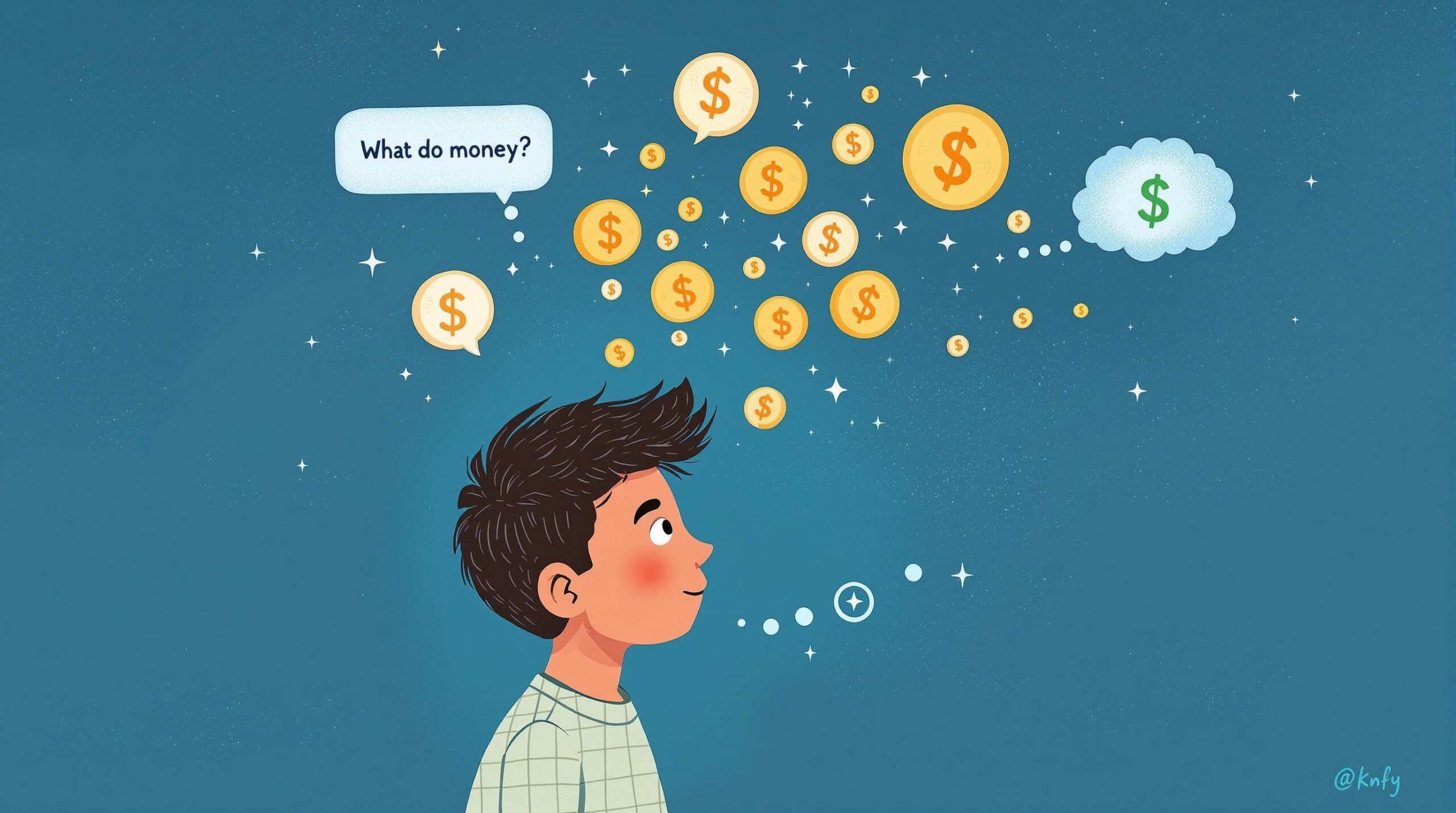
Have You Ever Wondered?
Have you ever wondered why you make certain decisions about money, even if they don’t always make sense? Maybe you’ve splurged on that trendy gadget you didn’t really need or hesitated when a friend asked to borrow some cash. It’s as if your brain has a secret playbook when it comes to financial choices.
The Hidden Force: Your Subconscious Mind
Behind every financial choice we make, there could be a hidden force at play – our subconscious mind! Yes, that little voice in your head, the one that nudges you toward one decision over another, often operates without you even realizing it. This invisible influence shapes everything from your spending habits to your saving strategies.
Let’s Dive Deeper
In this article, we’ll explore how our subconscious beliefs and past experiences can affect our money choices in surprising ways. You’ll uncover fascinating insights into why you might cling to old money habits or why some people seem to attract wealth effortlessly while others struggle. Ready to unlock the secrets of your mind? Let’s go!
What is Subconscious Programming?
At its core, subconscious programming is the internal framework that governs our beliefs, habits, and actions—essentially, it’s the mental coding we’ve accumulated from our experiences and interactions throughout life. Think of it as a complex system of thoughts that runs in the background, like an operating system for your mind, silently shaping your feelings and behaviors about money.
Most of us are unaware of how deeply these subconscious beliefs affect our decisions. From childhood, we’re bombarded with messages about money: it’s scarce, it’s powerful, or it’s a topic that brings about discomfort. As we absorb these messages—whether through our families, social interactions, or media—we form beliefs that may either serve us or hinder our financial success.
Understanding Your Subconscious Programming
To illustrate how subconscious programming works, consider a child who hears their parents argue about finances frequently. The child internalizes a belief that money creates discord, leading them to avoid financial discussions or investments in adulthood. These ingrained beliefs act like autopilot settings, guiding decisions without conscious thought. Here’s a table summarizing common subconscious programming examples related to money:
| Subconscious Belief | Potential Impact on Financial Behavior |
|---|---|
| “Money doesn’t grow on trees.” | Fear of spending leads to excessive saving, even when it’s unnecessary. |
| “Rich people are greedy.” | Avoidance of wealth accumulation; may reject high-paying job offers. |
| “I’m not good with money.” | Lack of confidence leading to poor financial decisions and missed opportunities. |
| “It’s better to give than to receive.” | Over-giving may result in personal financial strain, preventing self-care. |
Recognizing these beliefs is the first step in addressing the impact of subconscious programming on your finances. Are you driven by fear? Greed? Guilt? Understanding your internal narratives can unlock pathways to healthier financial habits and a more empowered financial life.
As we delve further into how these ingrained beliefs affect our money choices, you may start to see patterns—perhaps even behaviors you wish to change. So, let’s move forward and uncover how our subconscious influences money choices.
Recognizing and Understanding Our Money Patterns
To uncover how our subconscious impacts our finances, we must first become aware of our habits. Keeping a journal of your spending patterns can help reveal what choices are driven by your subconscious mind and which result from careful thought. By documenting not just the amounts spent, but also the emotions and thoughts that accompany your purchases, you can begin to decipher the patterns that dictate your financial behavior.
Consider this: each time you make a purchase, whether it’s a morning coffee or a new pair of shoes, pause for a moment to consider what motivated that decision. Did you buy that extravagant latte because you enjoy it, or was it a reaction to feeling overwhelmed during a stressful week? Did you splurge on those shoes to lift your spirits after a tough day, or did the allure of a sale drive you to buy something you didn’t really need? This reflective practice can shine a light on how your emotions intertwine with your financial decisions.
Another effective strategy is conducting a ‘money audit.’ Take a deep dive into your bank statements and categorize your expenses—essentials versus luxuries, impulse buys versus planned purchases. As you analyze these categories, pay attention to any recurring themes. For instance, if you notice a trend of spending heavily on dining out, it might reveal a subconscious belief that equates happiness with socializing over lavish meals, or it could even be an escape from feelings of isolation.
When journaling or auditing, ask yourself probing questions: What feelings do I associate with money? Do I feel anxious when I think about checking my bank balance? Am I holding onto money because of scarcity beliefs, or do I feel liberated by spending it? The answers can unearth your financial attitudes entrenched within your subconscious.
Moreover, visualization techniques can also aid in recognizing these patterns. Imagine a day in your financial life—think of all the transactions you make, both big and small. As you rehearse this mental movie, bring awareness to how you feel at each juncture. This practice can help clarify if your financial decisions align with your conscious goals and desires, or if they’re mere reflections of ingrained beliefs.
Over time, the awareness gained from these exercises can be transformative. Understanding the why behind your financial choices can empower you to make shifts towards aligned and conscious decision-making. For many, this journey is not about simply increasing income or cutting back expenses; it’s about reshaping the very relationship you have with money. As you recognize and challenge the hidden beliefs influencing your financial choices, you pave the way for a healthier financial mindset—one that allows abundance to flow without guilt, fear, or subconscious blocks holding you back.
In the process of self-examination, it becomes clear that the financial life you aspire to is not merely a function of what you earn or spend, but a reflection of how you feel about, and relate to, money. As you continue on this path of understanding, the subsequent section will explore practical strategies to reprogram your subconscious for success, enabling you to align your financial actions with your true aspirations.
Changing Unhelpful Subconscious Beliefs
Once you’ve begun the critical process of recognizing and understanding your money patterns, the next step is to dive into the transformative work of changing any unhelpful subconscious beliefs that may be holding you back from achieving your financial ambitions. It can be an eye-opening experience to discover what deep-seated thoughts influence your spending habits—be it the fear of not having enough, the belief that money brings stress, or the notion that wealth is unattainable. However, it’s equally empowering to know that you have the capability to reshape these narratives.
To initiate this change, consider the power of positive affirmations. Craft a few statements that resonate with the new beliefs you wish to adopt—affirmations like “I am worthy of financial abundance” or “Every day, I make wise financial choices.” Repeat these mantras regularly, especially during moments of doubt or anxiety surrounding money. This repetition can serve as a catalyst, slowly replacing the self-sabotaging thoughts that may have taken root over the years.
Furthermore, immerse yourself in the stories of others who have achieved financial success. Reading memoirs, blogs, or listening to podcasts about individuals who overcame similar struggles can be particularly inspiring. These narratives not only ignite hope but also demonstrate that financial wellness is achievable. They challenge the scarcity mindset that may have dictated your financial decisions by showcasing the diverse paths to prosperity and the belief that wealth is within reach for everyone.
Additionally, the company you keep plays a significant role in reshaping your subconscious beliefs about money. Surround yourself with supportive individuals who hold positive views on finance and wealth. Engaging in conversations with like-minded friends or mentors can provide invaluable perspective, uplifting your financial aspirations and reinforcing constructive behaviors. Consider joining a financial wellness group, either online or in your community, where ideas and resources are shared freely and encouragement is the norm.
Another effective method to change your subconscious beliefs involves visual imagery. Take a few minutes each day to visualize yourself as the person you aspire to be—confident in your financial decisions, enjoying the freedom that comes with wealth, and using your resources to enhance not only your own life but also the lives of others. This mental rehearsal can not only reinforce your desired identity but can also bridge the gap between your present financial reality and your future aspirations.
As you actively work to replace unhelpful beliefs with empowering thoughts, remember that this journey requires patience and consistent effort. Transformation doesn’t happen overnight; it’s a gradual process of reshaping your mindset and redefining your relationship with money. By committing to this work and adopting an attitude of abundance, you systematically dismantle the barriers that have constrained your financial potential.
Ultimately, the path of changing unhelpful subconscious beliefs is not merely about achieving financial success; it’s about cultivating a mindset rooted in empowerment, confidence, and self-worth. At the intersection of awareness and action, you position yourself to not only thrive financially but to experience an enriched life that honors your dreams and aspirations. As you continue to navigate this transformative journey, be prepared to embrace the abundant life that awaits you by aligning your mindset with your financial goals.
However, to embark fully on the journey of reprogramming, it’s essential to map out the specific actions that can anchor your new beliefs in your day-to-day life. Taking concrete steps not only reinforces your commitment to change but also provides measurable milestones as you transform your money mindset. Below is a guide that outlines key practices you can incorporate to support your journey:
| Practice | Description | Benefits |
|---|---|---|
| Daily Affirmations | Choose and repeat affirmations that affirm your desired relationship with money. | Boosts self-esteem and sets a positive tone for financial decisions. |
| Financial Education | Read books or attend workshops on personal finance to widen your knowledge base. | Empowers you with insights that challenge existing beliefs about money. |
| Gratitude Journaling | Record three things you are grateful for regarding your financial situation each week. | Shifts focus towards abundance, cultivating a positive outlook on finances. |
| Support Network | Engage with friends, family, or groups that promote healthy financial conversations. | Provides motivation and creates an environment of accountability. |
| Visualization Exercise | Set aside time each day to visualize achieving financial goals and living abundantly. | Strengthens neural pathways associated with success, making your goals feel attainable. |
In addition to these practices, consider integrating mindfulness techniques into your routine. Engaging in meditation or conscious breathing can create a space for reflection, allowing you to observe any negative thoughts that arise without judgment. This awareness makes it easier to redirect your focus to your affirmations and new beliefs, reinforcing the positive changes you are trying to embed into your psyche.
Moreover, accountability can be a powerful catalyst for change. Partner with a friend or hire a coach who resonates with your financial goals. Sharing successes and setbacks can help maintain motivation while fostering an environment where constructive dialogue regarding money is nurtured. Remember, this journey isn’t meant to be a solitary one; collaboration can amplify your growth and keep you dedicated to your path.
As you engage deeply with these practices, it’s important to monitor your progress. Celebrate milestones, no matter how small they may seem, as they contribute to your overarching narrative of success. By keeping a journal of your thoughts and experiences related to your financial journey, you can track shifts in your mindset and the subsequent impacts on your financial behaviors.
Ultimately, understanding that the path to reshaping your subconscious beliefs about money is both a practical and emotional journey will set the stage for lasting change. Allow the excitement of this transformation to fuel your actions, and embrace the endless possibilities that lie ahead. As you actively rewrite your relationship with money, you open the door to not just financial security, but to a fulfilling life aligned with your true potential. Imagine a future where each financial decision feels empowering—this is the promise and pathway that awaits you through diligent reprogramming of your subconscious.
Our subconscious minds hold immense power over our financial decisions. Like a silent orchestrator, it guides our thoughts, feelings, and ultimately, our actions toward money. The beliefs ingrained in our subconscious shape how we perceive opportunities, risks, and our self-worth related to wealth. For many, these beliefs are formed in childhood, influenced by our environment, parental attitudes towards finances, and societal values. Recognizing this early programming is the first step toward transformation. By understanding and transforming these hidden beliefs, we can create pathways to financial freedom and happiness.
Imagine walking into a room filled with potential opportunities—investments, savings options, or entrepreneurial ventures—yet feeling a knot in your stomach, a lingering doubt stemming from an internal dialogue that whispers, “You’re not good with money.” This subconscious message can thwart even the most brilliant ideas and plans, stunting your ability to make sound financial choices. Now, visualize the shift that occurs when you reframe that negative belief. Instead, you resonate with affirmations like, “I am capable of making wise financial choices,” opening your mind to new possibilities and constructive decisions.
Reprogramming your subconscious to foster a positive money mindset requires consistent effort but can yield life-changing results. Start by delving into the root causes of any negative beliefs concerning money. Engage in self-reflection—what narratives have you adopted about wealth? Write them down to increase clarity, and challenge each belief with contrary evidence from your own life. You’ll likely uncover instances where you’ve made prudent financial decisions or moments where you’ve successfully navigated challenges, defying the narratives that have held you back.
Moreover, visualization techniques can be incredibly effective tools in this reprogramming process. Envision not just your financial goals but the lifestyle you aspire to lead—whether it’s traveling, owning a home, or giving back to your community. Picture yourself already living this life, experiencing the emotions associated with these achievements. This technique employs your subconscious mind’s affinity for imagery, thereby reinforcing the belief that your goals are attainable. Over time, your subconscious begins to align with these new beliefs, guiding you toward actionable steps that can lead to actualizing your visions.
As you venture into this transformative journey, remember the importance of self-compassion. Growth isn’t linear, and there will be days when old habits and thoughts resurface. Instead of letting guilt or frustration set in, treat these moments as opportunities for learning and readjustment. Acknowledge any slips without judgment and reaffirm your commitment to the new beliefs you are establishing. Resilience is key in this process; it’s about the continual choice to believe in your financial capabilities and to act on that belief, even when the going gets tough.
Additionally, consider expanding your knowledge in personal finance as a form of reprogramming. The more informed you are, the more confidence you’ll build in making decisions. This empowerment serves to dismantle fears rooted in lack of knowledge and reinforces the narrative that financial competence is attainable with effort. Online courses, podcasts, and books can be excellent resources that not only educate but also inspire you to embrace a new financial identity.
Ultimately, your subconscious money programming is not set in stone. You have the power to rewrite the script—turning limiting beliefs into empowering narratives that align with your financial aspirations. Start exploring your subconscious money programming today, and begin this enlightening journey toward financial freedom and a brighter tomorrow. With commitment and practice, you can unlock the profound potential that resides within you, paving the way for a flourishing financial future that is as fulfilling as it is prosperous.
Our subconscious minds hold immense power over our financial decisions. By understanding and transforming these hidden beliefs, we can create pathways to financial freedom and happiness. Start exploring your subconscious money programming today for a brighter tomorrow. It’s essential to recognize that the journey to financial empowerment begins by diving deep into your psyche, where countless assumptions and beliefs about wealth reside. These beliefs can either be the wind at your back, propelling you toward success, or the anchor that weighs you down, keeping you tethered to unfulfilled ambitions.
Take, for instance, the belief that “money doesn’t grow on trees.” This common notion embodies a scarcity mindset, perpetuating the fear that there will never be enough wealth to go around. Such thinking deepens the divide between those who feel rich in possibilities and those who view money as an endless cycle of struggle. To counteract this, consider fostering a mindset of abundance; recognize that financial opportunities abound in every corner of life, waiting for those willing to seek and seize them. By adopting the mantra, “Wealth is everywhere, and I attract positive financial opportunities,” you begin to shift the paradigm of your experience from lack to abundance.
Alongside transformational affirmations, the environment surrounding you plays a critical role in this journey. Surrounding yourself with positive influences, whether they be financially savvy friends, motivational speakers, or inspiring literature, can dramatically alter your subconscious programming. These positive influences serve as mirrors, reflecting the possibilities you may have previously overlooked. Engage in conversations about financial growth, attend workshops, or even join community groups focused on financial literacy. Each interaction becomes a piece of the puzzle, helping to reframe your relationship with money and instilling a sense of camaraderie and support in the process.
Furthermore, daily practices such as gratitude journaling can be powerful tools to facilitate this mental shift. When you regularly acknowledge what you appreciate about your financial situation—no matter how small—it trains your subconscious to focus on the positive aspects of your current reality. Instead of fixating on what you lack, you cultivate an attitude geared toward wealth appreciation, reinforcing the belief that more good is on its way to you. Importantly, gratitude intertwines with the law of attraction; the positive energy you emit draws equivalent opportunities and experiences into your life.
In this age of information overload, it’s also vital to be selective about the material you consume. As you work on reshaping your beliefs about money, prioritize resources that encourage financial empowerment. Seek out content that encourages a healthy relationship with money—books that narrate success stories, podcasts featuring interviews with financial experts, and online courses that teach essential skills. Being proactive in educating yourself transforms knowledge into actionable strategies, further embedding new beliefs that align with your desired financial outcomes.
As you embark on this transformative journey, remind yourself that reprogramming your subconscious mind requires patience and persistence. It’s a gradual process, much like cultivating a garden. Just as seeds must be nurtured over time to yield blossoms, so too must your subconscious beliefs be tended with care. Cherish small victories along the way, celebrate progress, and remain steadfast in your commitment to fostering a new financial narrative for yourself.
Ultimately, you are the author of your financial story. By acknowledging and reshaping the deep-seated beliefs that have defined your relationship with money, you can confidently step into a future where financial freedom and abundance become your reality. So now, take a moment for introspection; consider what beliefs have kept you bound and imagine a new script characterized by optimism, opportunity, and empowerment. It’s time to rewrite your financial destiny and unlock the blessings that await you—one thought, one belief, one actionable step at a time.
“`
As you embark on this path to financial enlightenment, consider the role of mindfulness in your journey. Being present and aware of your thoughts can enhance your ability to recognize those subconscious beliefs as they arise. Mindfulness practices, such as meditation, allow you to create a mental space where you can contemplate your relationship with money without judgment. This can lead to profound realizations about how fear and anxiety can obstruct your financial success. Regularly dedicating time to sit in stillness can unveil insights into your financial identity, illuminating patterns you may have been oblivious to before.
Incorporating financial visualizations into your daily routine can also solidify the reprogramming process. Each morning, take a few moments to shut your eyes and imagine the life you wish to create—feel the warmth of financial security enveloping you, picture the joy of abundance flowing into your life, and hear the sounds of celebrations that accompany achievements. This practice cultivates a rich emotional landscape that your subconscious can actively work toward manifesting in your reality.
Moreover, engaging with a supportive community can synergistically enhance your transformation. Finding groups, whether online or in-person, focused on personal finance or self-development can provide not only knowledge but encouragement and accountability. Sharing your journey with like-minded individuals fosters an environment of growth where collective wisdom thrives. You gain perspectives that may challenge your existing beliefs and inspire new approaches, creating a ripple effect that enhances your own understanding and motivation.
Consider also the power of gratitude in reshaping your subconscious money narrative. Regular expressions of gratitude for what you have can create a mindset of abundance, shifting your focus away from scarcity and lack. This practice encourages a positive relationship with money, reminding you that financial success is not merely about accumulating wealth but finding contentment in your current circumstances. Keep a gratitude journal dedicated to financial aspects of your life, no matter how small. Celebrating even minor victories can help fortify new beliefs centered on positivity and growth.
Finally, as you navigate this transformative journey, don’t underestimate the effect of your environment. Surround yourself with materials, images, and stories that emphasize a positive financial mindset. This could mean decorating your space with affirmations or investing time in books that inspire financial literacy and abundance. By immersing yourself in an enriching environment, you reinforce your commitment to the new beliefs and aspirations you are nurturing.
It’s crucial to remember that the journey toward a financially empowered life is not merely about achieving financial success but fostering a mindset that embraces freedom, joy, and resilience. You have the innate capacity to reshape the very foundations of your financial narrative. By dedicating your energy to understanding and transforming your subconscious money programming, you are not just investing in wealth—but in a better, brighter tomorrow. Now is the time to seize that power, take control of your narrative, and step confidently toward the life you envision.
“`